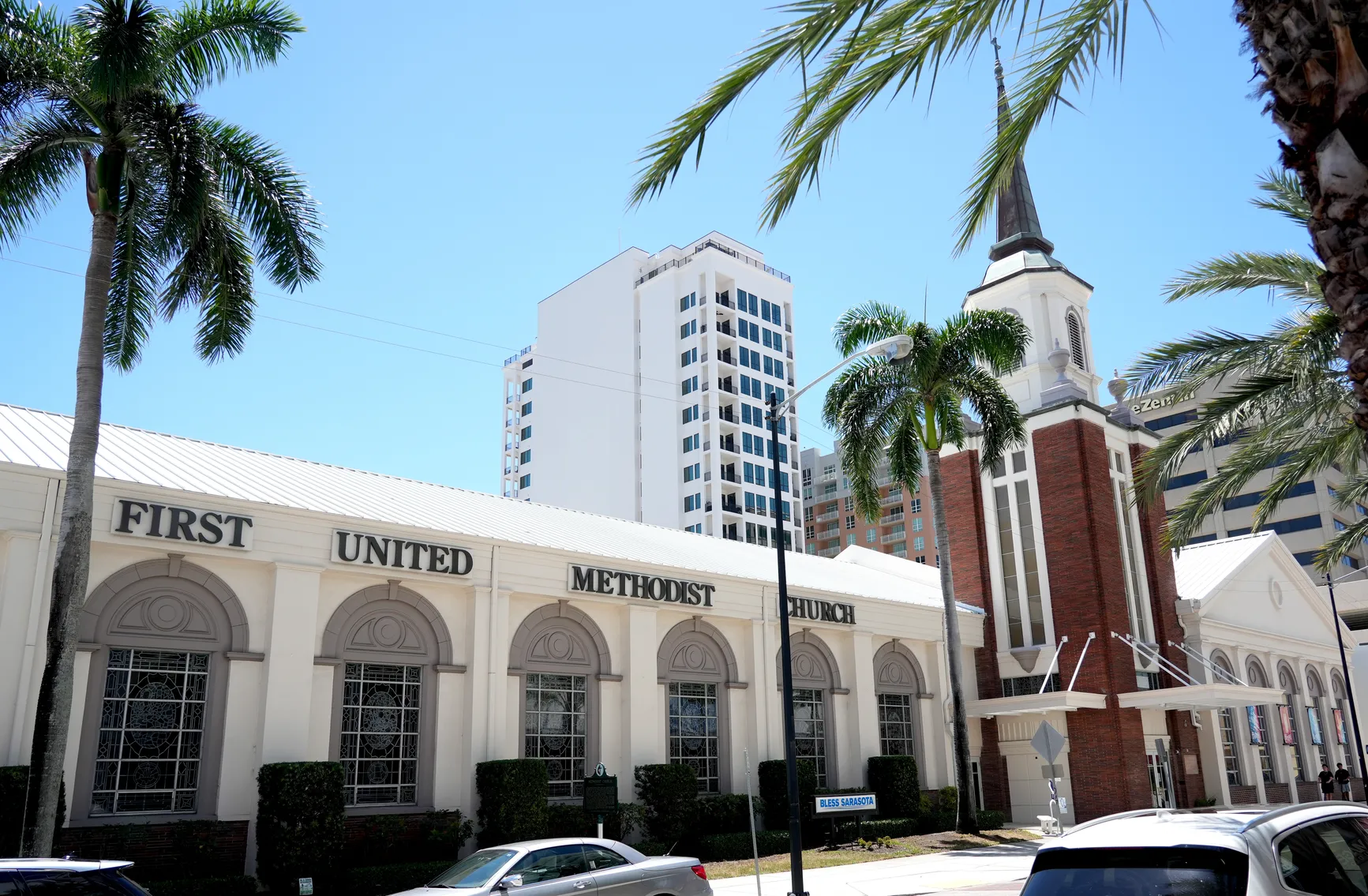
Key Takeaways: Yes in God’s Backyard (YIGBY) makes it easier to build housing on underused land owned by churches and other faith-based organizations by reducing zoning barriers. To help address the housing crisis, communities can support YIGBY legislation, connect religious institutions with housing developers, and turn vacant land into affordable homes while helping faith-based organizations sustain their community missions.
The affordable housing crisis has communities across the country searching for new ways to create homes. Rising housing costs, limited land, and restrictive zoning can make it difficult to build the housing people need, especially for low-income households and working families.
One potential solution is hiding in plain sight: land owned by churches and other faith-based organizations.
Across the country, religious institutions are partnering with developers and nonprofit housing organizations to turn underused land into affordable apartments. The movement behind these projects is known as Yes in God’s Backyard (YIGBY).
YIGBY legislation aims to make it easier to build housing on qualifying faith-based properties by reducing zoning barriers and simplifying local approval processes. The goal is to help create more homes while allowing religious institutions to support their communities and sustain their ministries.
But how does YIGBY work? What does the legislation actually change? And could building housing on church-owned land make a meaningful difference in the affordable housing crisis?
Here’s what to know about the YIGBY movement, the policy behind it, and the housing developments already taking shape.
What Is Yes in God’s Backyard (YIGBY)?
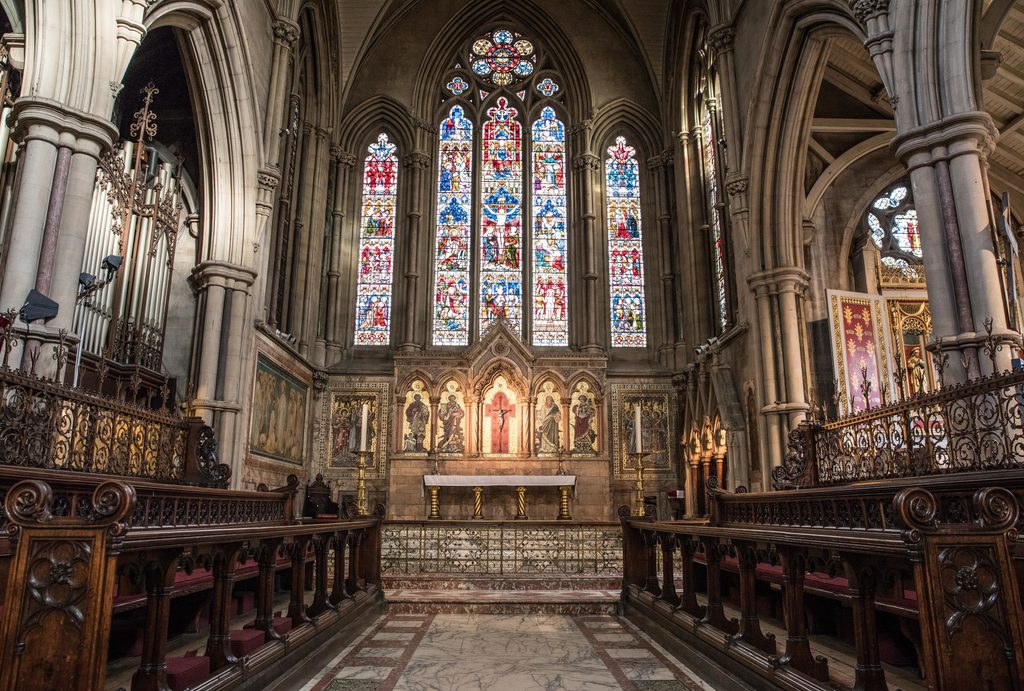
Yes in God’s Backyard, or YIGBY, is a housing policy movement that supports the development of homes on land owned by religious institutions.
The name is a play on the phrase “Not in My Backyard,” commonly shortened to NIMBY. NIMBY refers to opposition to development in a particular neighborhood, often because of concerns about traffic, density, or changes to the surrounding community.
YIGBY takes the opposite approach. Instead of treating development as something to resist, it encourages communities to consider how underused land could help meet local housing needs.
Churches, synagogues, mosques, and other faith-based organizations may own property that is no longer being used to its full potential. This could include:
- Vacant land next to an existing place of worship
- Large parking lots or underused portions of a campus
- Land owned by a congregation in a different location
- Religious buildings that are no longer in use
- Property that could accommodate housing alongside existing community facilities
YIGBY policies aim to make it easier for religious organizations to develop these properties into housing, including affordable and senior housing.
The concept is especially relevant in communities where land is scarce, housing costs are high, and traditional development is limited by local zoning restrictions.
Why Are Faith-Based Organizations Exploring Housing Development?
Religious institutions often have deep roots in their communities. Their properties may be located near public transportation, schools, employment centers, and other neighborhood amenities.
At the same time, some congregations are facing declining membership, aging buildings, and increasing maintenance costs. Underused property can represent both a financial challenge and an opportunity.
By partnering with a housing developer or nonprofit, a religious institution may be able to put its land to a new use while continuing to serve its community.
For some congregations, that means building apartments next to an existing sanctuary. For others, it could mean redeveloping a vacant church building or using a separate parcel to create affordable housing.
The approach allows religious organizations to support a community need while potentially generating revenue to sustain their own operations.
How Does Yes in God’s Backyard Work?
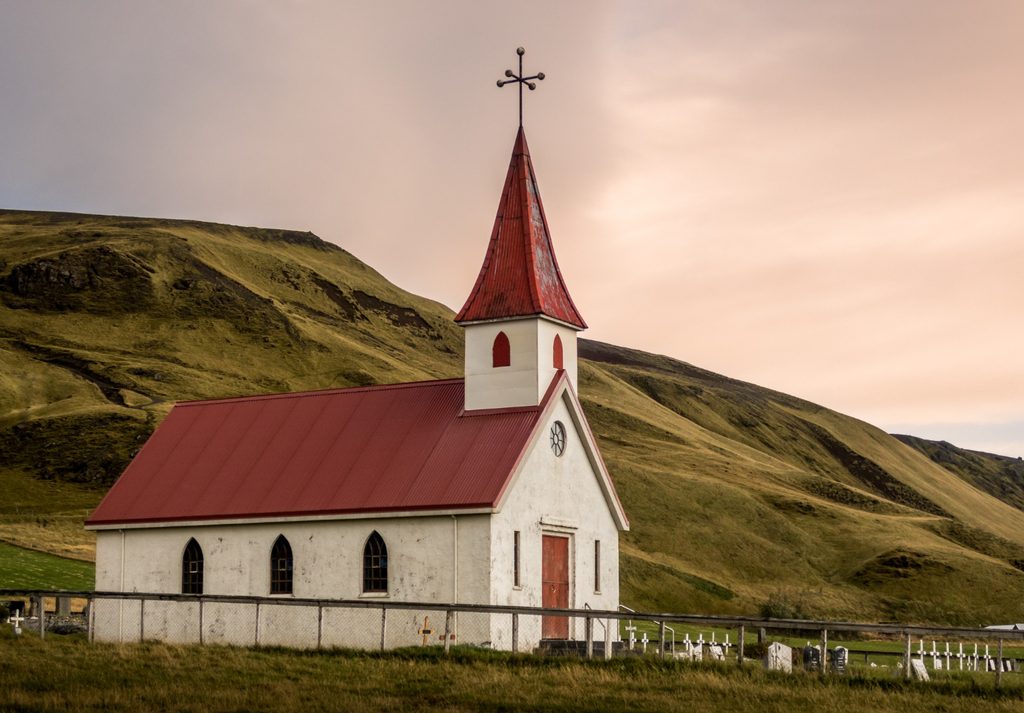
YIGBY housing developments typically involve a partnership between a faith-based organization and a housing developer, nonprofit, or community development organization.
The details vary depending on the property, the local housing market, and the legislation in place.
1. Identify Suitable Land
The process begins by identifying a religious institution’s property that could accommodate housing.
The property may be vacant, underused, or no longer needed for its original purpose. Developers and organizations assess whether the land is suitable for residential construction, considering factors such as access, infrastructure, environmental conditions, and proximity to community services.
2. Partner With a Housing Developer
Many religious organizations do not have the experience or resources to manage a housing development on their own.
They may partner with an experienced developer or nonprofit that can help plan the project, secure financing, manage construction, and oversee the completed housing.
The arrangement may involve leasing the land, selling the property, donating it, or entering into a joint development agreement.
3. Navigate Zoning and Local Approvals
One of the biggest challenges for housing development is local zoning.
A property may be designated for religious or institutional use, limiting the type or density of housing that can be built there.
Without YIGBY legislation, a housing proposal may require rezoning, special permits, or other discretionary approvals. These processes can be lengthy and uncertain.
YIGBY laws are designed to reduce those barriers for qualifying properties, making it easier to pursue housing development.
4. Secure Financing and Build Housing
Once a project is approved, developers must secure financing and move through construction.
Affordable housing developments may use a combination of public funding, private investment, low-income housing tax credits, housing programs, and other financing sources.
The completed project may include affordable apartments, senior housing, or a mix of housing types based on local needs and the development plan.
How Could YIGBY Help Solve the Housing Crisis?
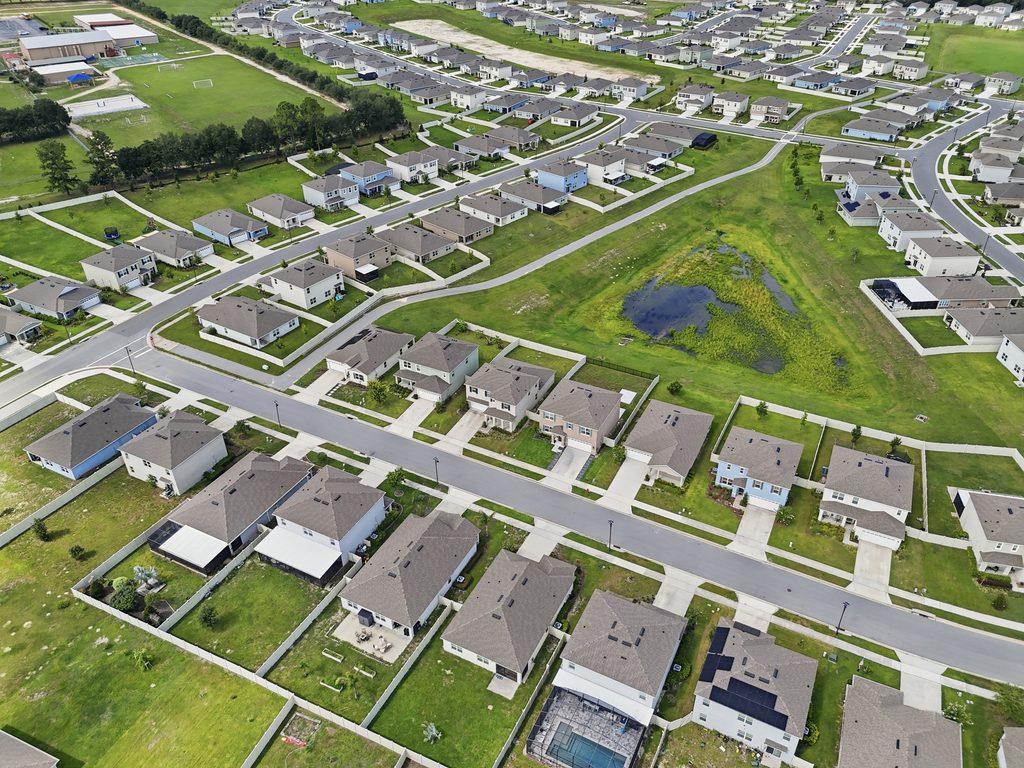
YIGBY is not a single housing program or a guaranteed solution to housing affordability. Instead, it offers a way to expand the land available for housing development and make it easier to build homes on qualifying religious properties.
Its potential impact comes from several areas.
Create More Housing
One of the biggest challenges in building housing is finding suitable land.
Faith-based organizations may own property in established neighborhoods where new development is otherwise difficult. Some of that land is vacant or underused, making it a potential resource for housing.
A study referenced by Massachusetts housing advocates estimated that developing just one-quarter of vacant land owned by faith-based organizations in Massachusetts could support more than 250,000 homes.
That estimate illustrates the potential scale of the opportunity. It does not mean all of those homes would be built or that every parcel is suitable for development. But it suggests that faith-based land could play a meaningful role in expanding the housing supply.
Expand Affordable Housing Opportunities
Many religious organizations are interested in developing housing that serves people who may struggle to find an affordable place to live.
These projects can focus on older people, low-income households, veterans, or other residents facing housing challenges.
For example, a church may partner with a nonprofit to build affordable apartments for older people on a vacant parcel. Another congregation may redevelop its property to create housing for low-income residents while retaining a sanctuary or community space.
YIGBY legislation can help make these projects more feasible by reducing zoning barriers that might otherwise prevent multifamily housing from being built.
Support Local Communities
Housing development can also help religious institutions continue providing services to their communities.
Some congregations are struggling with the cost of maintaining large properties or aging buildings. A development partnership may provide new revenue or help fund improvements to the remaining church facilities.
Projects may also preserve community gathering spaces, provide services for residents, or repurpose historic religious buildings.
In some cases, new housing developments can generate property tax revenue for municipalities, depending on the ownership structure and applicable tax exemptions.
That additional revenue may help support public services such as schools, libraries, infrastructure, and emergency services.
What Is YIGBY Legislation?
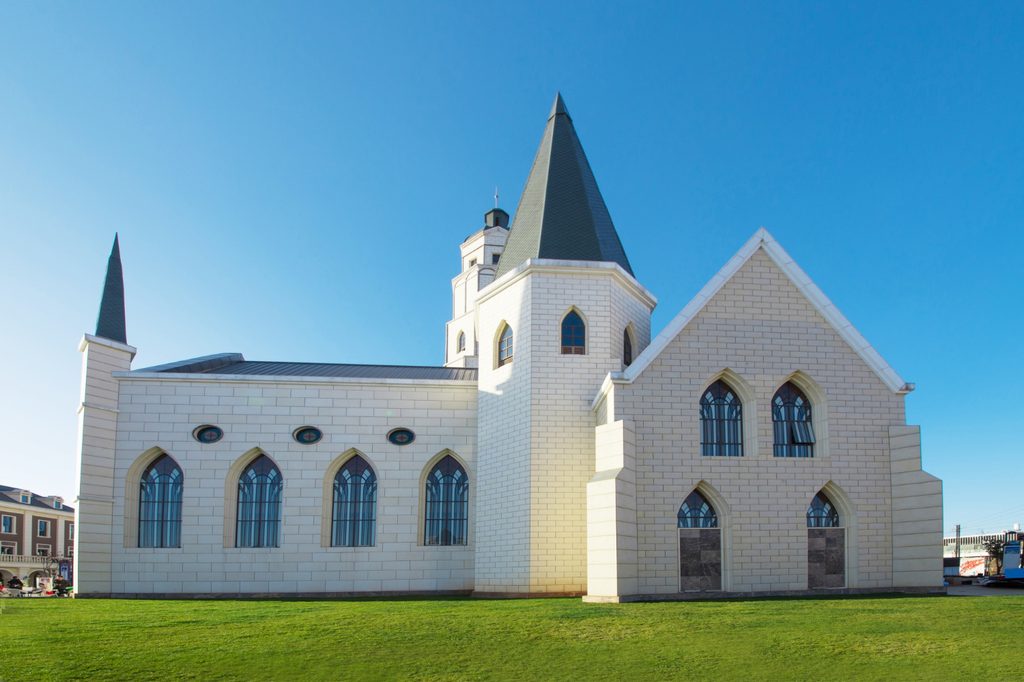
YIGBY legislation refers to laws designed to make it easier to build housing on land owned by qualifying religious institutions.
The details differ by state. Some laws allow certain housing developments on faith-based land without requiring the same rezoning or special permit process that would typically apply. Others give local governments additional authority to approve affordable housing on qualifying properties.
The goal is to provide a more predictable path for housing development while maintaining requirements related to building safety, infrastructure, and other applicable regulations.
Why Is Legislation Needed?
Local zoning rules often determine what types of buildings can be constructed on a particular property.
A parcel owned by a church may be zoned for religious or institutional use, even if it could physically accommodate apartments.
Without a policy change, the organization may need to request rezoning or special approval to build housing. That process can involve public hearings, political opposition, and uncertainty about whether the project will be approved.
YIGBY legislation can reduce these obstacles by allowing qualifying housing development under specific rules.
What Does “By Right” Mean?
Some YIGBY laws allow qualifying housing to be developed “by right.”
This means a project that meets the applicable legal requirements can proceed without needing a separate discretionary zoning approval.
By-right development does not mean that a project can ignore all regulations. Developers must still comply with applicable building codes, safety requirements, and other standards.
The specific requirements depend on the state law and local regulations.
Which States Have Passed YIGBY Legislation?
YIGBY legislation has gained momentum across the country.
California passed a YIGBY-style law in 2023. Other states that have adopted similar legislation include Washington, Minnesota, Oregon, Maryland, and Virginia.
Florida has also expanded its approach to affordable housing on qualifying religious properties.
In Massachusetts, advocates have pushed for YIGBY legislation as part of a broader economic development bill. The proposal would allow multifamily housing by right on qualifying faith-based land and establish standards for affordability, density, and development.
Because the laws differ, it is important to review the specific legislation in each state rather than assume YIGBY works the same way everywhere.
Examples of Yes in God’s Backyard Housing Developments
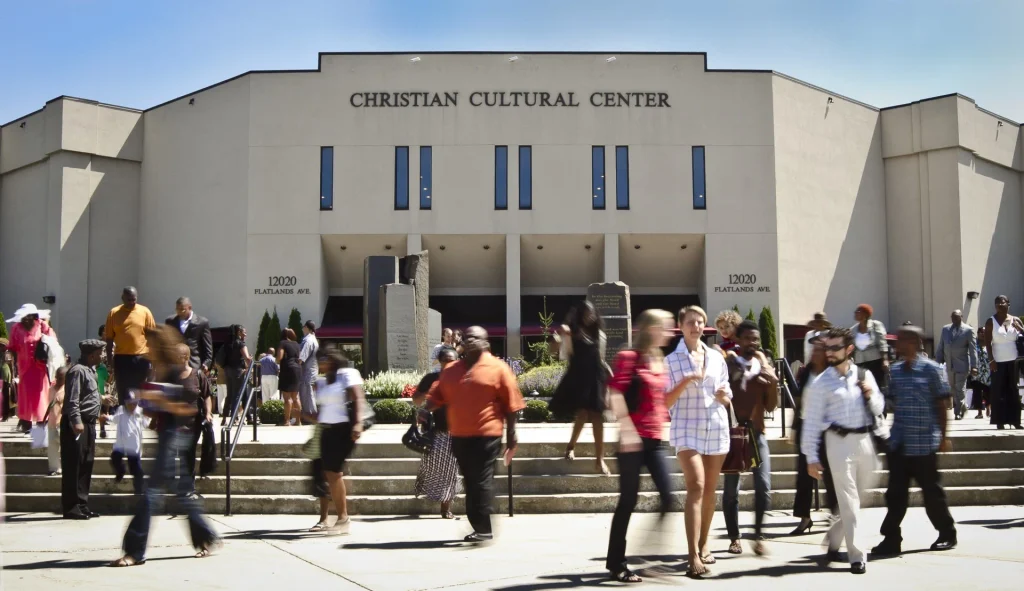
YIGBY is not just a policy idea. Religious institutions across the country are already partnering with housing developers to create affordable homes on their properties.
Here are several examples.
Christian Cultural Center, Brooklyn, New York
The Christian Cultural Center in Brooklyn transformed a large parking lot on its East New York campus into an affordable housing development.
The first phase includes 385 affordable apartments. The broader project, known as Innovative Urban Village, is planned to eventually include approximately 2,000 affordable apartments across the campus.
Plans also include community amenities such as a grocery store, trade school, daycare, and performing-arts center.
The project demonstrates how a religious institution can use underdeveloped property to create housing while incorporating services that benefit the surrounding community.
First Union Baptist Church, Bronx, New York
First Union Baptist Church faced the challenge of maintaining an aging historic building while its congregation was declining.
The church partnered with a nonprofit developer to redevelop the property into affordable senior housing.
The plan includes apartments above a new ground-floor sanctuary, allowing the congregation to retain its worship space while creating housing for older adults.
The project illustrates how redevelopment can help preserve a church’s mission and physical presence while addressing a community housing need.
Rose Hill Manor, Billerica, Massachusetts
St. Theresa of Lisieux Parish in Billerica wanted to use its vacant land to provide affordable housing for local older people.
With help from the Planning Office for Urban Affairs, the parish developed Rose Hill Manor, a three-story building with 41 affordable independent-living homes for residents ages 62 and older.
Twenty-eight of the homes have a preference for Billerica residents.
The development shows how a relatively underused parcel of church land can become a resource for a specific population in the surrounding community.
Hill Memorial Baptist Church, Boston, Massachusetts
Hill Memorial Baptist Church served Boston’s Allston neighborhood for decades before declining membership led the congregation to consider selling its property.
The church chose to work with a local community development organization to create affordable housing.
The redevelopment plan includes housing for 49 low-income older people and the reuse of the historic church structure as a community center.
Rather than allowing the property to remain unused, the project aims to preserve its community role through housing and public gathering space.
Woodmen Valley Chapel, Colorado Springs, Colorado
Woodmen Valley Chapel donated more than an acre of land to a nonprofit housing organization.
The donated property was used to develop Sunrise at Shiloh Mesa, a 50-apartment community for older people.
The project was supported by federal and state low-income housing tax credits. Church volunteers also provide transportation and food-pantry support.
This example demonstrates how a faith-based organization can contribute land directly to an affordable housing project while continuing to support residents through community services.
What Are the Challenges of YIGBY?
Although YIGBY offers a promising approach to housing development, it is not without challenges.
Zoning Restrictions and Local Opposition
Even when legislation makes housing development easier, projects may still face local concerns about density, traffic, parking, infrastructure, and neighborhood character.
Some communities may oppose multifamily housing regardless of who owns the property.
YIGBY laws aim to reduce the ability of local zoning barriers to prevent qualifying projects, but the details of each law determine how much flexibility developers have.
Financial and Development Challenges
Owning land does not automatically make a housing project financially feasible.
Developers must still consider construction costs, infrastructure needs, financing, site conditions, and the amount of affordable housing included in the project.
Some properties may require significant investment before they can be developed.
Affordable housing projects often rely on public funding and specialized financing, which can add complexity to the development process.
Balancing Housing With Community Needs
Religious institutions may want to preserve their existing sanctuary, parking, gathering spaces, or other facilities.
A successful development must consider how housing can fit alongside the institution’s ongoing activities and the needs of nearby residents.
That may involve thoughtful design, shared spaces, phased construction, or partnerships that allow the organization to retain ownership of certain portions of the property.
Ensuring Housing Remains Affordable
Not every housing development on religious land is necessarily affordable.
The affordability requirements depend on the legislation, funding, and terms of the individual project.
Some YIGBY policies include specific affordability requirements for larger developments, while other projects may use separate housing programs or financing to provide affordable units.
The distinction matters: YIGBY can make housing easier to build, but affordability often depends on additional policies and project commitments.
What Does Yes in God’s Backyard Mean for the Future of Affordable Housing?
YIGBY is gaining attention because it brings together two pressing community needs: more housing and more sustainable ways for religious institutions to use their property.
For housing advocates, faith-based land represents a potential source of development sites in communities where available land is limited.
When it comes to religious organizations, housing partnerships may offer a way to support their missions, maintain facilities, and continue providing services.
For local governments, new housing may help address shortages and, depending on the project, generate additional property tax revenue.
YIGBY is not a substitute for broader housing policies. Communities still need a range of housing types, public and private investment, infrastructure, and thoughtful planning.
But making better use of underused land could be one part of a larger solution.
As more states consider YIGBY legislation and more religious institutions explore housing partnerships, the movement could help create new opportunities for affordable homes in communities across the country.
Frequently Asked Questions About Yes in God’s Backyard
What does YIGBY stand for?
YIGBY stands for Yes in God’s Backyard. It is a housing policy movement that supports developing homes on land owned by religious institutions, including churches and other faith-based organizations.
What is the Yes in God’s Backyard movement?
The YIGBY movement seeks to make it easier for religious institutions to build housing on underused or vacant land they own. It supports legislation that reduces zoning barriers and encourages housing development, including affordable housing.
How does YIGBY help create affordable housing?
YIGBY can help expand the supply of land available for housing and reduce barriers to multifamily development on qualifying faith-based properties.
Some projects specifically provide affordable housing for older people, low-income households, or other residents who face housing challenges. Affordability requirements depend on the legislation and the project’s funding and development agreements.
What types of properties can be developed under YIGBY?
Depending on the applicable law, eligible properties may include vacant land owned by religious institutions, underused portions of church campuses, parking lots, or certain former religious buildings.
Eligibility requirements vary by state and legislation.
Does YIGBY legislation override local zoning?
Some YIGBY laws allow qualifying housing to be developed by right, reducing or removing the need for certain local zoning approvals.
However, the laws vary. They do not necessarily eliminate all local regulations or exempt projects from building codes, safety requirements, or other applicable standards.
Which states have passed YIGBY legislation?
States that have adopted YIGBY-style legislation include California, Washington, Minnesota, Oregon, Maryland, and Virginia. Florida has also expanded its laws concerning affordable housing on qualifying religious properties.
The requirements and scope of each law differ.
Can churches sell or lease their land for housing?
Yes. Religious institutions may sell or lease land to developers or nonprofit housing organizations, or enter into other development partnerships.
The specific arrangement depends on the organization’s goals, property ownership, financing, and applicable law.
Is Yes in God’s Backyard law in Florida?
Florida passed Senate Bill 1730 in 2025, which allows local governments to approve affordable housing on certain land owned by religious institutions, regardless of the underlying zoning.
The law provides a tool for local governments to support affordable housing development on qualifying properties. It does not mean every religious property can automatically be developed for housing.
The requirements and approval process depend on the property and applicable law.
Conclusion
Yes in God’s Backyard offers a potential way to expand housing opportunities by making better use of underused land owned by religious institutions.
Through partnerships with developers and nonprofit housing organizations, churches and other faith-based groups can help create affordable homes, support local residents, and sustain their community missions.
YIGBY legislation can make these projects easier to pursue by reducing zoning barriers and providing a clearer path for qualifying housing development.
While it cannot solve the housing crisis on its own, the movement highlights an important opportunity: land that is currently underused could become a resource for building the homes communities need.
As more states adopt YIGBY policies and more religious institutions explore housing development, faith-based land may become an increasingly meaningful part of the affordable housing conversation.
📲 Call or text 407-797-2931
📧 Email tiphany@dregorlando.com
🌐 Visit www.dregorlando.com to start your home-selling journey.

Meet Tiphany
Orlando Real Estate Pro
Buying a home is one of the most important purchases one can make, but it doesn’t need to be complicated. I’m Tiphany Weeks, the founder and broker of record for Diamond Real Estate Group. While traveling the world as a baseball wife we moved around a lot; and it wasn’t always easy. I realized the search to find a realtor that knows exactly what you need can be a very daunting task, so I decided it was time to create a new solution for helping people find their way home.
- Orlando Home Prices 2026: What Buyers Need to Know Right Now
 Key Takeaways: Orlando home prices are in a more balanced market in 2026, giving buyers more choices and potentially more negotiating power. Before making an offer, compare recent sales in your target neighborhood, calculate the full monthly cost including taxes, insurance, and HOA fees, and look at days on market and price reductions to understand… Read more: Orlando Home Prices 2026: What Buyers Need to Know Right Now
- Royal Cypress Preserve: Complete Guide to Living, Homes & Prices
 Key Takeaways: Royal Cypress Preserve offers luxury single-family homes, guard-gated living, resort-style amenities, lake access, and a prime Dr. Phillips location near Disney, dining, and major roads. If you’re buying, compare recently sold homes, HOA costs, lot location, renovations, and major systems before making an offer. Thinking about living in Royal Cypress Preserve? If you’re… Read more: Royal Cypress Preserve: Complete Guide to Living, Homes & Prices
- Can You Sell a House with a Mortgage? Here’s Why You Still Can
 One of the most common questions homeowners ask is: Can you sell a house with a mortgage? The short answer is yes. Many homeowners assume having an active mortgage means they must fully pay off their loan before selling. In reality, selling a house with a mortgage is common and happens daily across Orlando and… Read more: Can You Sell a House with a Mortgage? Here’s Why You Still Can

Leave your thoughts: