
Key Takeaways: Second home vs investment property comes down to your goals: choose a second home for personal enjoyment or an investment property to generate rental income and build long-term wealth. Before buying, compare down payments, mortgage rates, cash reserves, insurance, and realistic rental income, then confirm your plans meet lender requirements and understand the tax implications. If you want both personal use and rental income, check the rules before closing to make sure your financing, insurance, and tax strategy align with how you’ll use the property.

Buying another property can mean different things depending on your goals. Maybe you want a vacation home where your family can spend summers together. Maybe you want a rental property that generates income and helps you build long-term wealth. Or maybe you’re hoping to find a property that lets you do both.
The difference between a second home and an investment property matters more than you might expect. It can affect your mortgage rate, down payment, cash reserves, insurance coverage, tax deductions, and how often you’re allowed to rent the property under your loan terms.
So, which option is right for you?
The answer comes down to how you plan to use the property, what you can comfortably afford, and what you want it to accomplish financially. Understanding the differences in second home vs investment property financing can help you avoid unexpected costs and choose the right property for your goals. Here’s how second homes and investment properties compare, including the costs, tax considerations, and trade-offs to understand before you buy.
Second Home vs Investment Property: What’s the Difference?
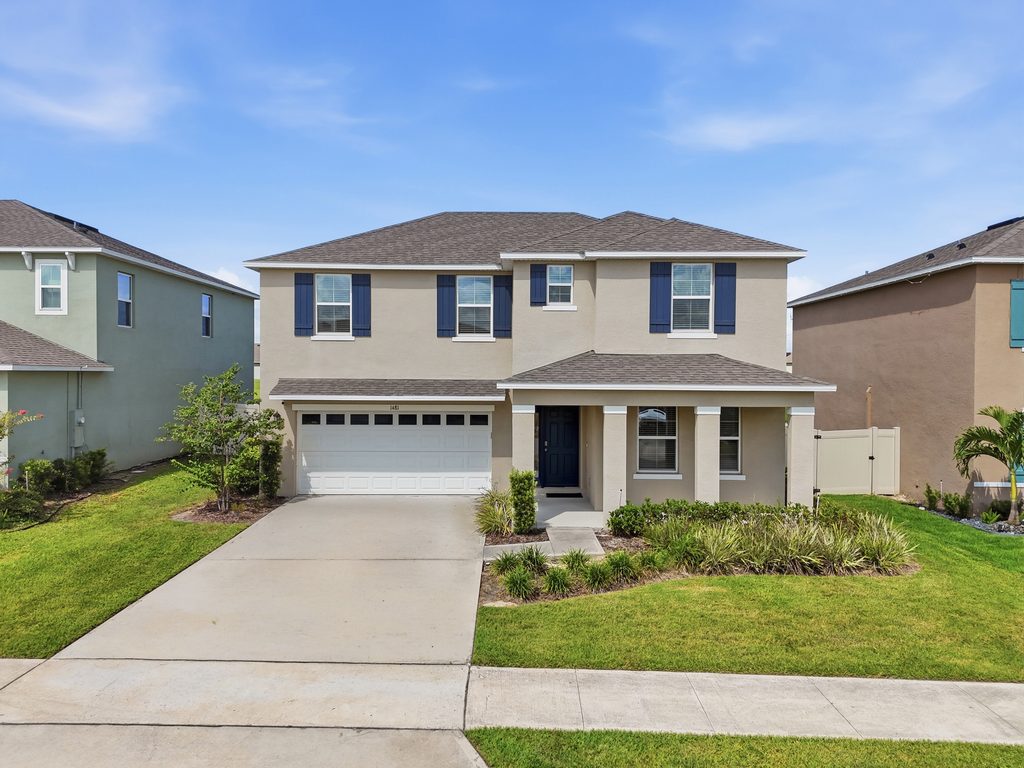
The biggest difference between a second home and an investment property is the property’s primary purpose.
A second home is generally purchased for personal use. It might be a beach house, a mountain cabin, or a condo you visit throughout the year. You may be able to rent it occasionally, depending on your mortgage terms and other applicable rules, but generating rental income isn’t necessarily the main reason you bought it.
An investment property is purchased primarily to generate financial returns. You might rent it to long-term tenants, operate it as a short-term vacation rental, or hold it for potential appreciation. The goal is to make the property work as part of your financial strategy.
These categories can sound straightforward, but there are three important distinctions to understand:
- Your intended use: Are you buying primarily for personal enjoyment or to earn income?
- Your mortgage classification: How does your lender classify the property based on its intended use and loan requirements?
- Your tax treatment: How do federal tax rules apply to your personal use, rental activity, expenses, and income?
These classifications are related, but they aren’t interchangeable. A property that qualifies as a second home under a mortgage program doesn’t automatically receive a particular tax treatment. Your actual use and the applicable rules matter.
Second Home vs Investment Property at a Glance
| Factor | Second home | Investment property |
| Primary purpose | Personal enjoyment or seasonal use | Rental income, appreciation, or both |
| Personal occupancy | Generally expected for part of the year | Not required for a conventional investment-property classification |
| Rental income | May be permitted, subject to restrictions | Usually a central part of the plan |
| Typical down payment | Often around 10% to 20% | Often around 15% to 25% or more |
| Mortgage rates | Usually higher than primary-home rates | Often higher than second-home rates |
| Cash reserves | May be lower, depending on the loan | May be higher, depending on the loan |
| Tax deductions | Potential mortgage interest and property tax deductions, subject to eligibility and limits | Potential deductions for eligible rental expenses and depreciation |
| Insurance | Second-home or seasonal-home coverage | Landlord or appropriate rental-property coverage |
| Best suited for | Buyers prioritizing personal use | Buyers prioritizing rental returns and investment goals |
These financing ranges are general examples, not guaranteed requirements. Your lender, credit profile, down payment, property type, and loan program will determine the actual terms. Tax benefits also depend on your circumstances and applicable law.
What Is a Second Home?
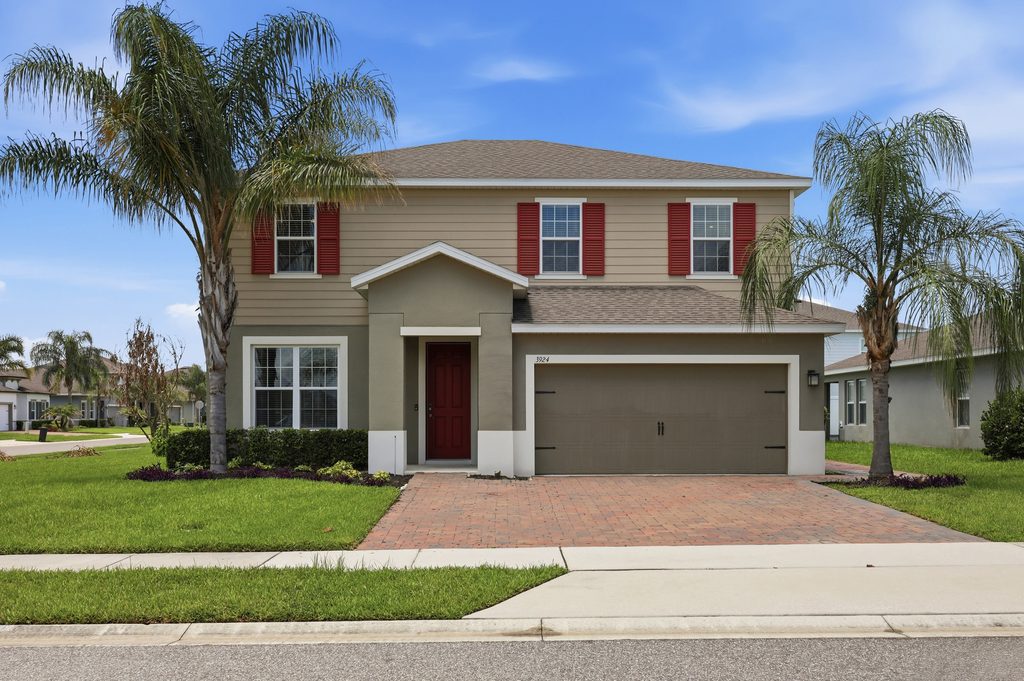
A second home is a property you own in addition to your primary residence and use for personal reasons. It might be somewhere you visit on weekends, a vacation property near the beach, or a place to spend part of the year closer to family.
For some buyers, a second home is about lifestyle. They want a familiar place to return to, more space for family gatherings, or a vacation destination without having to book a hotel every time they visit.
For others, it can be a long-term purchase that combines personal enjoyment with the possibility of appreciation.
How lenders evaluate second homes
Mortgage lenders generally have specific requirements for a property to qualify for second-home financing. For example, Fannie Mae’s conventional loan guidelines generally require a second home to be a one-unit dwelling, suitable for year-round occupancy, occupied by the borrower for some portion of the year, and under the borrower’s exclusive control. Certain rental arrangements or agreements that give a management company control over occupancy can make the property ineligible for second-home classification under those guidelines.
A lender may also consider the property’s location, how you plan to use it, and whether your application relies on rental income. The exact rules depend on the loan program.
Importantly, there is no single occupancy rule that applies to every lender and every tax situation. Don’t assume that spending a specific number of days at a property automatically qualifies it as a second home for mortgage purposes.
Pros and Cons of Buying a Second Home
Pros
- A place of your own: You can enjoy a familiar vacation destination without relying on hotel availability.
- Potential appreciation: The property may increase in value over time, although appreciation isn’t guaranteed.
- Potentially more favorable financing: Second-home loans often have lower down-payment or pricing requirements than investment-property loans.
- Possible tax benefits: Qualifying mortgage interest and property taxes may be deductible, subject to applicable requirements and limits.
- Flexibility for family and friends: You can use the property for holidays, weekend visits, or seasonal stays.
Cons
- Ongoing expenses: Mortgage payments, insurance, property taxes, utilities, and maintenance continue even when you’re not there.
- Travel and upkeep: You may need to pay for transportation, cleaning, landscaping, repairs, and property checks.
- Limited rental flexibility: Your loan or insurance policy may restrict how you rent the property.
- Money tied up in the property: Your down payment and ongoing costs could otherwise be used for investments, savings, or other financial goals.
- No guaranteed financial return: The property could appreciate, but it could also lose value or cost more to maintain than you expect.
Who Should Consider a Second Home?
A second home may make sense if you:
- Expect to use the property regularly throughout the year.
- Want a vacation destination or seasonal residence for your family.
- Can afford the property without depending on rental income to cover the mortgage.
- Value the personal benefits as much as, or more than, the potential financial return.
- Have a rental plan that fits your lender’s requirements and insurance coverage.
If you’d still want the property even if it never generated rental income, that’s a useful sign that a second home may align with your goals. When researching second home vs investment property options, consider how often you’ll use the property and whether personal enjoyment or financial returns matter more to you.
What Is an Investment Property?
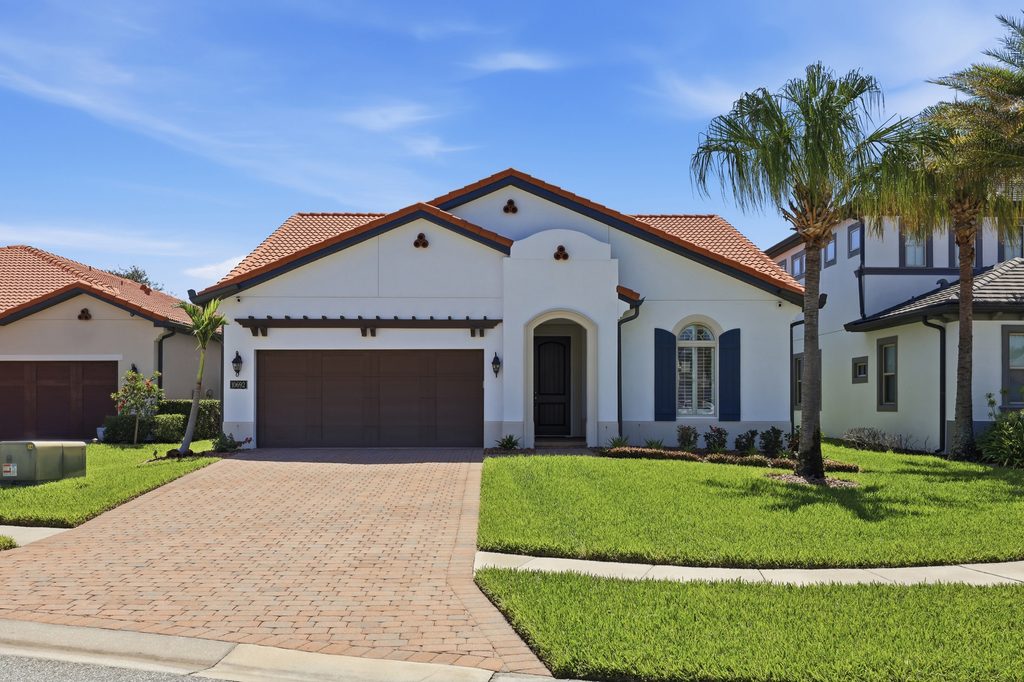
An investment property is real estate purchased primarily to generate financial returns. Those returns may come from monthly rental income, long-term appreciation, or a combination of the two.
Investment properties come in several forms. You might purchase a single-family home and rent it to a long-term tenant, buy a condo for vacation rentals, or invest in a duplex or another small multifamily property.
The right strategy depends on your budget, local market, financing, and how involved you want to be in managing the property.
Common investment property strategies
Long-term rentals: You rent a property to tenants under a lease, often for a year or longer. This approach can provide more predictable rental periods, although vacancies, repairs, and tenant turnover remain possible.
Short-term rentals: You rent a furnished property to guests for shorter stays. Revenue can vary with seasonality, local demand, occupancy, operating costs, and local rules. Short-term rentals may require more frequent cleaning, guest communication, and maintenance.
Multifamily properties: You purchase a property with multiple residential units, such as a duplex or triplex. Depending on the property and loan program, multiple units may provide more than one stream of rental income, but they also bring additional responsibilities and expenses.
Buy-and-hold investing: You purchase a property with the intention of holding it for years, collecting rent, and potentially benefiting from appreciation and loan principal paydown.
Whatever strategy you choose, look beyond the property’s purchase price or advertised rental income. A property can bring in substantial rent and still produce little or no profit after expenses.
Pros and Cons of Buying an Investment Property
Pros
- Potential rental income: Rent can help cover operating costs and mortgage payments.
- Potential appreciation: The property may grow in value over the long term.
- Possible tax deductions: Eligible rental expenses may offset rental income.
- Potential depreciation benefits: Residential rental property may qualify for depreciation deductions under applicable tax rules.
- Portfolio diversification: Real estate can become one component of a broader investment strategy.
- Opportunities to expand: Successful ownership may help you work toward acquiring additional properties over time.
Cons
- Higher upfront costs: Investment-property loans often require larger down payments and stronger financial qualifications.
- Vacancy risk: You may have periods without rental income while still paying the property’s expenses.
- Unexpected repairs: Roofs, HVAC systems, plumbing, appliances, and other components can require expensive repairs or replacement.
- Management responsibilities: You may need to handle tenants, maintenance, bookings, compliance, and accounting yourself or pay someone else to do it.
- Market uncertainty: Rental demand, operating expenses, interest rates, and property values can change.
- Tax complexity: Rental income, deductions, depreciation, and eventual sale proceeds can create additional reporting requirements.
Who Should Consider an Investment Property?
An investment property may be worth exploring if you:
- Want rental income or long-term real estate appreciation to support your financial goals.
- Can afford the down payment and maintain cash reserves after closing.
- Understand that rent and property values aren’t guaranteed to increase.
- Are prepared to manage tenants and maintenance or budget for professional management.
- Have evaluated the property’s expected income against realistic operating costs.
- Want to build a real estate portfolio over time.
If the property needs rental income to make financial sense, run the numbers carefully before you commit. A promising listing isn’t necessarily a profitable investment. Comparing second home vs investment property options means looking beyond potential income to evaluate risk, ongoing expenses, and your long-term financial goals.
Financing a Second Home vs an Investment Property
Financing is one of the biggest differences between buying a second home and buying an investment property.
Lenders evaluate these properties differently because the borrower’s intended use, financial obligations, and repayment risks can differ. Investment-property financing often comes with higher pricing adjustments and more demanding financial requirements.
The exact difference depends on the lender, loan program, credit profile, down payment, property type, and current market conditions.
Down Payment Requirements
Second-home loans may be available with down payments around 10% to 20%, while investment-property loans often require around 15% to 25% or more. These are general ranges rather than universal rules.
Here’s how the difference could look on a $500,000 purchase:
| Down payment | Cash needed |
| 10% | $50,000 |
| 15% | $75,000 |
| 20% | $100,000 |
| 25% | $125,000 |
At 10% down, the down payment would be $50,000. At 25% down, it would be $125,000. That’s a $75,000 difference before closing costs, prepaid expenses, furnishing, repairs, or reserves.
A larger down payment can reduce the amount you borrow, but it also ties up more of your cash. Consider how much money you’ll have left after closing, especially if the property will need repairs or take time to generate income. One of the most important parts of the second home vs investment property decision is determining how much cash you can invest upfront while keeping enough reserves for unexpected expenses.
Mortgage Rates and Loan Qualification
Second-home and investment-property mortgage rates are generally higher than rates for primary residences. Investment-property loans may also carry higher rates or pricing adjustments than second-home loans.
Even a relatively small rate difference can add up over a long mortgage term. Your actual rate will depend on factors such as your credit score, down payment, loan amount, loan type, and market conditions.
Lenders may also evaluate:
- Your debt-to-income ratio.
- Your income and employment history.
- Your credit history and existing mortgage obligations.
- Your available assets and cash reserves.
- The property’s type and intended use.
- Whether projected rental income can be considered under the loan program’s guidelines.
Some investment-property loan programs allow eligible rental income to help with qualification, but lenders may require documentation and apply specific calculations. Don’t assume a property’s projected rent will automatically count as income in full. When comparing second home vs investment property loans, request personalized quotes from multiple lenders so you can compare rates, fees, and qualification requirements.
Cash Reserves and Other Upfront Costs
Your down payment isn’t the only cash requirement to plan for.
Lenders may require you to have money remaining in eligible accounts after closing. These funds, often called reserves, help demonstrate that you can continue making payments if an unexpected expense or income disruption occurs.
For example, Fannie Mae’s automated underwriting guidelines generally call for two months of reserves for a second-home transaction and six months for an investment-property transaction, though requirements can vary with the loan, borrower, and other financed properties.
You’ll also need to account for costs that aren’t included in the down payment:
- Closing costs and prepaid expenses.
- Property inspections and any immediate repairs.
- Furniture, appliances, and supplies if the property will be rented furnished.
- Utilities, landscaping, pest control, and routine maintenance.
- Insurance and property taxes.
- Property management, cleaning, and booking expenses where applicable.
- A contingency fund for vacancies and unexpected repairs.
Before buying, estimate the full cash needed to purchase and operate the property. A deal that uses every dollar you have available can leave you financially vulnerable after closing.
Can You Use an FHA or VA Loan?
Government-backed mortgages generally have occupancy requirements and aren’t designed to finance a property purchased solely as an investment.
FHA loans typically require the borrower to occupy the property as a primary residence, although eligible borrowers may be able to purchase certain multifamily properties and live in one of the units. VA-backed loans also have personal-occupancy requirements, subject to program rules and exceptions.
If you plan to buy a property that you won’t live in, don’t assume an FHA or VA loan will be available. If you plan to live in one unit while renting out another, ask a lender who understands the relevant program requirements.
The key is to choose financing that matches your actual plans rather than changing your description of the property to qualify for a different loan.
Second Home vs Investment Property: Tax Differences
Taxes are another major consideration when comparing a second home with an investment property. The main difference is that personal-use property and income-producing rental property can qualify for different deductions and reporting rules.
However, tax treatment depends on how the property is actually used, the amount of rental activity, the owner’s circumstances, and current federal tax law. The label on your mortgage application doesn’t determine every tax outcome.
Tax Benefits of Owning a Second Home
If you use a second home personally, you may qualify to deduct mortgage interest and property taxes if you meet the applicable requirements.
For qualifying mortgage debt taken out after December 15, 2017, the federal home mortgage interest deduction generally applies to up to $750,000 of combined eligible home acquisition debt for a taxpayer filing jointly, or $375,000 for married taxpayers filing separately. Different limits may apply to certain older debt. You generally must itemize to claim the mortgage interest deduction.
Property tax deductions are subject to separate rules and limits, which can change. Check the rules that apply to the tax year you’re filing rather than relying on an older article’s figures.
Personal expenses such as vacations, furniture for your own use, and general upkeep don’t automatically become deductible rental expenses simply because you own a second property.
If you rent the home for part of the year, your tax treatment may become more complicated. You may need to allocate certain expenses between personal and rental use and report rental income, depending on the facts. Tax considerations are another important factor in the second home vs investment property comparison, but potential deductions should never be the only reason to purchase a property.
Tax Benefits of Owning an Investment Property
Rental properties may qualify for deductions related to the costs of earning rental income. Depending on the circumstances, eligible expenses may include:
- Mortgage interest attributable to the rental activity.
- Property taxes.
- Insurance premiums.
- Repairs and maintenance.
- Utilities paid by the owner.
- Advertising and tenant-related expenses.
- Property management fees.
- Certain legal, accounting, and professional fees.
Residential rental property may also qualify for depreciation deductions, generally over 27.5 years under the applicable federal tax rules. Depreciation is a noncash expense that can reduce taxable rental income, but it has specific eligibility, calculation, and eventual-sale implications.
Rental income and expenses are commonly reported on Schedule E for individuals, although the correct reporting depends on the nature of the activity. Rental losses may be limited by rules such as the passive activity loss rules, so a deduction doesn’t always mean you can offset any type of income immediately.
Investment property owners may also be eligible for a Section 1031 exchange, which can defer recognition of qualifying gains when investment or business real property is exchanged for other qualifying real property under the applicable requirements. A 1031 exchange generally isn’t available for property held primarily for personal use.
These tax benefits can improve the economics of a rental property, but they don’t guarantee that an investment will be profitable.
How Personal Use Affects Rental Property Taxes
What happens if you use your rental property for vacations or family visits?
The IRS has specific rules for a dwelling used for both rental and personal purposes. Generally, a property is treated as a residence for these rental-expense rules if personal use exceeds the greater of 14 days or 10% of the days it is rented to others at a fair rental price during the tax year.
This is a tax rule for determining how certain rental income and expenses are treated. It is not a universal rule for qualifying for a second-home mortgage.
Personal-use days can include days when you or certain family members use the property, as well as days when it is rented for less than a fair rental price. The details matter when calculating the applicable thresholds.
If your property is considered a residence under these rules, deductions for rental expenses may be limited, particularly when expenses exceed rental income. You may need to divide expenses between personal and rental use.
For example, imagine you rent out a beach house during the summer but reserve several weeks for your own family. The number of personal-use days, fair-market rental days, and expenses allocated to each use can affect how you report the property.
Because mixed-use property tax rules can be complicated, keep accurate records of rental days, personal-use days, income, and expenses. A qualified tax professional can help you determine how the rules apply to your situation.
Second Home vs Investment Property Insurance
Your insurance policy needs to match how you actually use the property.
A second home that sits empty for several weeks at a time has different risks from a property occupied by long-term tenants or rotating vacation guests. Choosing the wrong type of policy could leave important gaps in coverage.
Second-home insurance
A second-home policy may be appropriate for a vacation property or seasonal residence that you primarily use yourself. Depending on the policy, coverage may include the structure, personal belongings, personal liability, and certain covered losses.
Insurers may ask how often the property is occupied, whether it sits vacant for extended periods, and whether anyone else uses it. A standard policy may have restrictions on vacancy or rental activity.
Landlord and rental-property insurance
A landlord policy is generally designed for properties rented to tenants. Depending on the coverage, it may protect the structure, cover certain liability claims, and reimburse lost rental income after a covered event.
It generally doesn’t replace a tenant’s renters insurance for their own belongings. Owners should also understand which types of tenant damage, liability, and loss of income are and aren’t covered.
What if you plan to use Airbnb or another short-term rental platform?
Short-term rentals may require a specialized vacation-rental policy, an endorsement, or other coverage beyond a standard homeowners or landlord policy. Coverage depends on the insurer and the terms of the policy.
Before listing your property, tell your insurer how you intend to use it and confirm what coverage is required. Misrepresenting the property’s use can create coverage disputes or lead to a claim being denied.
Can You Rent Out a Second Home?

Sometimes, yes. But whether you can rent out a second home depends on your mortgage terms, insurance policy, local regulations, and how the property will be used.
Some conventional mortgage guidelines allow rental income to exist as long as the property still meets the applicable second-home requirements. For example, Fannie Mae’s guidelines state that rental income identified by the lender doesn’t automatically disqualify a second home if that income isn’t used to qualify the borrower and all other second-home requirements are met.
That doesn’t mean every second-home loan permits every type of rental activity. A rental pool or management agreement that gives a third party control over occupancy may be inconsistent with second-home financing requirements.
Before renting your property, consider these questions:
- Does your mortgage agreement allow the type and frequency of rental activity you have in mind?
- Will you continue to use the property personally?
- Does your insurer cover paying guests or long-term tenants?
- Do local laws, zoning rules, homeowners association restrictions, or short-term rental regulations limit rentals?
- Will rental income and personal use change how you report expenses for tax purposes?
Occasionally renting a property to help offset ownership costs is different from buying a home that you plan to operate primarily as a rental. If rental income is central to your purchase plan, discuss that plan with your lender before choosing your mortgage.
Can You Convert a Second Home Into an Investment Property?
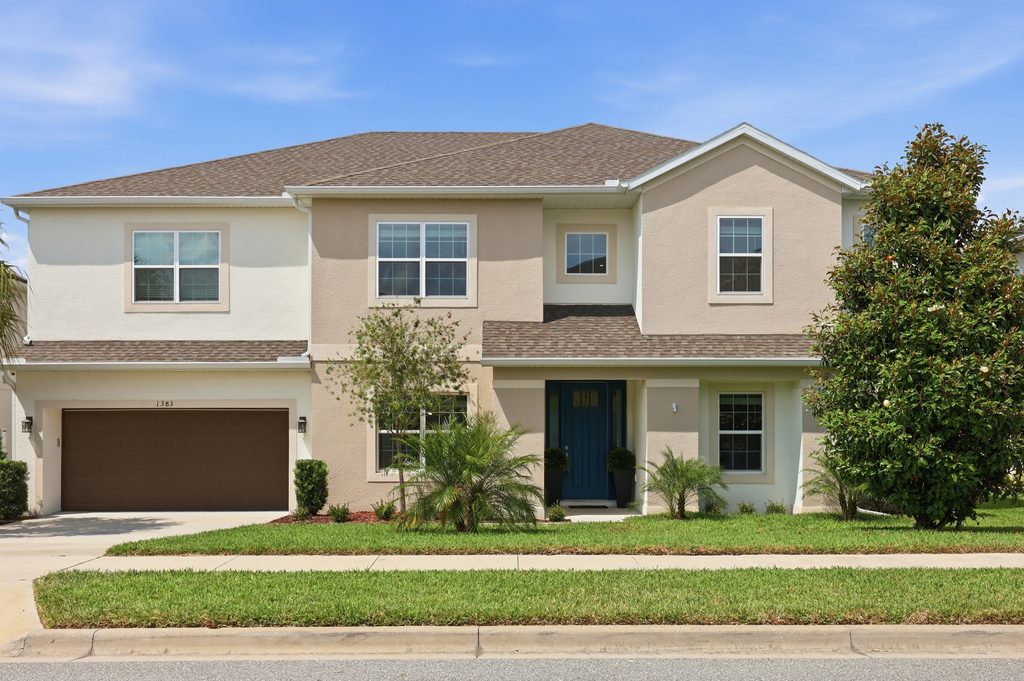
Your plans may change after you buy. You might initially purchase a vacation home for personal use and later decide to rent it out more regularly because of a job change, a move, or a shift in your financial goals.
A change in use doesn’t automatically mean you must refinance, but you shouldn’t assume that your existing loan permits every rental arrangement.
Start by reviewing your mortgage documents and contacting your lender. Some loans have occupancy certifications or restrictions on rental activity. Ask whether your proposed change affects the loan terms or requires any formal action.
You should also:
- Update your insurance. Confirm that your policy covers the property’s new use, including long-term tenants or short-term guests.
- Check local rules. Review permits, zoning, rental registration, tax requirements, and any applicable association restrictions.
- Track the change in use. Keep records of when the property is rented, when you use it personally, and the income and expenses you incur.
- Review your tax reporting. Rental income, expense allocation, and depreciation may become relevant when the property is placed in service as a rental.
- Revisit your financial projections. Include maintenance, vacancy, management, taxes, insurance, and any financing changes.
A refinance into investment-property financing may be appropriate in some circumstances, but it isn’t automatically required every time an owner begins renting a property. Your lender can explain what your current loan permits and what changes, if any, are necessary.
How to Decide Which Property Is Right for You
The easiest way to start is to be honest about why you’re buying the property and what you need it to do for you.
A second home and an investment property can both appreciate, and either one may involve rental activity. The difference is the primary purpose, the applicable financing requirements, and the way personal use affects the financial picture.
Choose a Second Home If…
A second home may be a better fit if:
- You want a vacation home, seasonal residence, or personal retreat.
- You expect to use the property regularly.
- You can afford the mortgage and ongoing costs without depending on rent.
- You value having a place of your own more than maximizing rental returns.
- Your plans meet the lender’s requirements for second-home financing.
Think about the full lifestyle cost, not just the mortgage payment. Travel, furnishing, utilities, maintenance, and periods when the property sits empty can add up. Make sure the property fits your budget even during years when you don’t use it as much as expected.
Choose an Investment Property If…
An investment property may be a better fit if:
- You want to generate rental income or pursue long-term appreciation.
- You’re comfortable with the risks and responsibilities of being a landlord.
- You have enough money for the down payment, closing costs, reserves, and repairs.
- You can handle vacancies or unexpected expenses without relying on every projected rent payment.
- You’ve researched the local rental market and calculated realistic operating costs.
Before buying, estimate the property’s potential cash flow. Start with realistic rental income, then subtract operating expenses, vacancy, management, repairs, insurance, property taxes, and mortgage payments. Include larger future costs, such as replacing the roof or HVAC system, even if those expenses won’t occur every year.
A property that looks attractive based on gross rent alone may not deliver the returns you expect after all costs are included.
What If You Want Both Personal Use and Rental Income?
A property that doubles as a vacation home and a rental can sound like the best of both worlds. You get to enjoy it yourself and potentially earn income when you’re away.
But combining personal use and rental income introduces trade-offs.
The weeks you reserve for yourself aren’t available to paying guests. The most desirable dates for your own vacations may also be the dates when rental demand and nightly rates are highest. Meanwhile, the property still needs to be maintained and insured, whether or not anyone is staying there.
You’ll also need to understand how your intended rental activity affects mortgage eligibility and tax treatment. A property can qualify for one type of tax treatment while its financing is subject to different requirements.
Before purchasing a hybrid property, answer these questions:
- How many days each year do you realistically want to use it?
- Which months or weeks are you willing to rent it out?
- What rental income is realistic during the periods it’s available?
- Can you afford the property if bookings are lower than expected?
- Will your lender and insurer allow the rental arrangement?
- How will personal use affect your tax reporting?
If you primarily want the property for yourself, treat rental income as a possible offset to costs rather than a guaranteed source of profit. If you need rental income to make the numbers work, evaluate the property as an investment from the beginning and confirm the appropriate financing. The best second home vs investment property strategy depends on whether personal use or rental performance takes priority and whether your financing allows your intended plans.
Real-World Example: Comparing the Costs of a Second Home vs an Investment Property
Let’s compare two hypothetical buyers considering a property priced at $500,000. These examples are illustrative, not market quotes or financial projections. Actual mortgage rates, taxes, insurance, rental income, and loan requirements vary.
Example 1: Buying a Vacation Home
Imagine a buyer purchasing a $500,000 vacation home primarily for personal use. They put 10% down.
- Purchase price: $500,000
- Down payment: $50,000
- Mortgage amount before closing costs: $450,000
- Personal use: Several weeks throughout the year
- Rental income: Occasional rentals, if permitted by the mortgage and insurance terms
The buyer needs to budget for mortgage payments, property taxes, insurance, utilities, maintenance, and travel. They may also pay for cleaning or management if they occasionally rent the property.
Any rental income could help offset some of these costs, but the buyer shouldn’t assume the property will cover its expenses. Personal-use dates may overlap with high-demand rental periods, and the property could sit empty for long stretches.
The main return isn’t necessarily financial. The buyer also receives the personal benefit of having a vacation home available when they want it.
Example 2: Buying a Rental Property
Now imagine an investor purchasing a $500,000 property primarily to rent it out. They put 25% down.
- Purchase price: $500,000
- Down payment: $125,000
- Mortgage amount before closing costs: $375,000
- Personal use: None planned
- Rental income: The primary source of operating revenue
The investor needs to budget for mortgage payments, property taxes, insurance, repairs, maintenance, vacancy, and property management if they hire someone to oversee the rental.
Suppose the property generates $3,500 per month in rent. That’s $42,000 in gross annual rental income. But gross rent isn’t the same as profit.
The investor must subtract operating expenses and mortgage payments to estimate cash flow. They should also plan for irregular expenses, such as replacing an appliance or repairing a major building component. Tax deductions may reduce taxable rental income, but they don’t eliminate the cash cost of operating the property.
The investor has more money tied up in the down payment in this example, but the property is being purchased with a specific financial goal: generating returns.
What the Numbers Tell You
These examples show why you shouldn’t compare properties based only on the down payment or the amount of rent they could generate.
The vacation-home buyer is paying for personal access to the property, with occasional rental income potentially offsetting some expenses. The investor is relying more heavily on rental performance and needs to evaluate the property as a financial asset.
To compare your own options, estimate:
- Total cash to close: Down payment, closing costs, and prepaid expenses.
- Monthly carrying costs: Mortgage payment, taxes, insurance, utilities, and association fees.
- Annual operating expenses: Maintenance, repairs, management, cleaning, and other recurring costs.
- Realistic rental income: Use reasonable occupancy and rental-rate assumptions, not the best possible scenario.
- Reserves: Keep money available for vacancies, emergencies, and major repairs.
- Potential tax effects: Consider eligible deductions and reporting requirements without treating them as guaranteed savings.
- Personal value: If you’ll use the property yourself, decide what that benefit is worth to you.
A second home doesn’t have to produce positive cash flow to be worthwhile for someone who values personal use. An investment property, however, should be evaluated against your return expectations and the risks you’re taking.
Frequently Asked Questions
Is a Second Home Considered an Investment Property by the IRS?
Not automatically. The IRS looks at how the property is used, including personal-use days, rental days, and whether it is rented at a fair price. A property used personally and rented to others may fall under the tax rules for a dwelling used as a home, which can limit rental-expense deductions.
Mortgage lenders have their own occupancy requirements, so the tax treatment and financing classification don’t necessarily match.
Can You Rent Out a Second Home Without Changing Your Mortgage?
Possibly. Some mortgage programs allow limited rental activity while the property remains eligible as a second home. However, the rules depend on your specific loan and the nature of the rental arrangement.
Review your loan documents and speak with your lender before listing the property. Also confirm that your insurance covers rental activity and that your plans comply with local rules.
How Many Days Can You Personally Use an Investment Property?
There isn’t one universal number of personal-use days that applies to every investment property for every purpose.
For federal tax purposes, the IRS generally treats a dwelling as a residence under the vacation-home rental rules when personal use exceeds the greater of 14 days or 10% of the days it is rented to others at a fair rental price. That test affects the tax treatment of rental income and expenses; it doesn’t automatically determine your mortgage classification.
If you plan to use a rental property personally, track those days and review the applicable tax rules.
Is It Better to Buy a Second Home or an Investment Property?
Neither option is automatically better. A second home may fit buyers who value personal use and can comfortably afford the ongoing costs. An investment property may fit buyers focused on rental income, appreciation, and building a real estate portfolio.
Compare the financing, operating costs, risks, and benefits against your own goals. If you want both personal use and rental income, check how your plans affect the loan, insurance, and taxes before purchasing.
Do Investment Properties Require a Larger Down Payment?
Often, yes. Second-home financing may be available with down payments around 10% to 20%, while investment-property loans commonly require around 15% to 25% or more. Actual requirements vary by lender, credit profile, property type, and loan program.
Ask lenders to compare the total cost of each financing option, including interest rates, fees, reserves, and closing costs.
Can You Turn a Vacation Home Into a Rental Property?
Potentially. Start by reviewing your mortgage agreement and contacting your lender to understand any restrictions. You may also need to update your insurance, check local rental rules, and change how you track income and expenses for tax purposes.
Refinancing isn’t automatically required in every case. Whether it’s necessary depends on your current loan terms and the property’s new use.
Can You Deduct Mortgage Interest on a Second Home?
You may be able to deduct qualifying mortgage interest on a second home if you meet the applicable requirements and itemize deductions. The deduction is subject to federal rules, including limits on qualifying home acquisition debt.
If you rent the property for part of the year, the tax treatment can become more complicated. Consult current IRS guidance or a qualified tax professional to understand which deductions apply to you.
Which Property Is Right for You?
The choice between a second home vs investment property starts with one question: What do you want this property to do for you?
If you want a vacation home your family can enjoy, and you can comfortably afford it without relying on rental income, a second home may be the right fit. But if your primary goal is to generate rental income, pursue appreciation, and build a real estate portfolio, an investment property may align more closely with your plans.
If you want both, make sure you understand the trade-offs. Personal use can affect rental availability, mortgage eligibility, insurance, and tax treatment.
Before you buy, calculate the full cost of ownership, compare financing options, and use realistic assumptions about rental income and expenses. Talk with a mortgage lender about the appropriate loan classification and a tax professional about how your intended use may affect your taxes.
The right property isn’t simply the one with the lowest down payment or the highest projected rent. It’s the one that fits your goals, your finances, and the way you actually plan to use it.
📲 Call or text 407-797-2931
📧 Email tiphany@dregorlando.com
🌐 Visit www.dregorlando.com to start your home-selling journey.

Meet Tiphany
Orlando Real Estate Pro
Buying a home is one of the most important purchases one can make, but it doesn’t need to be complicated. I’m Tiphany Weeks, the founder and broker of record for Diamond Real Estate Group. While traveling the world as a baseball wife we moved around a lot; and it wasn’t always easy. I realized the search to find a realtor that knows exactly what you need can be a very daunting task, so I decided it was time to create a new solution for helping people find their way home.
- Orlando Home Prices 2026: What Buyers Need to Know Right Now
 Key Takeaways: Orlando home prices are in a more balanced market in 2026, giving buyers more choices and potentially more negotiating power. Before making an offer, compare recent sales in your target neighborhood, calculate the full monthly cost including taxes, insurance, and HOA fees, and look at days on market and price reductions to understand… Read more: Orlando Home Prices 2026: What Buyers Need to Know Right Now
- Royal Cypress Preserve: Complete Guide to Living, Homes & Prices
 Key Takeaways: Royal Cypress Preserve offers luxury single-family homes, guard-gated living, resort-style amenities, lake access, and a prime Dr. Phillips location near Disney, dining, and major roads. If you’re buying, compare recently sold homes, HOA costs, lot location, renovations, and major systems before making an offer. Thinking about living in Royal Cypress Preserve? If you’re… Read more: Royal Cypress Preserve: Complete Guide to Living, Homes & Prices
- Can You Sell a House with a Mortgage? Here’s Why You Still Can
 One of the most common questions homeowners ask is: Can you sell a house with a mortgage? The short answer is yes. Many homeowners assume having an active mortgage means they must fully pay off their loan before selling. In reality, selling a house with a mortgage is common and happens daily across Orlando and… Read more: Can You Sell a House with a Mortgage? Here’s Why You Still Can

Leave your thoughts: